
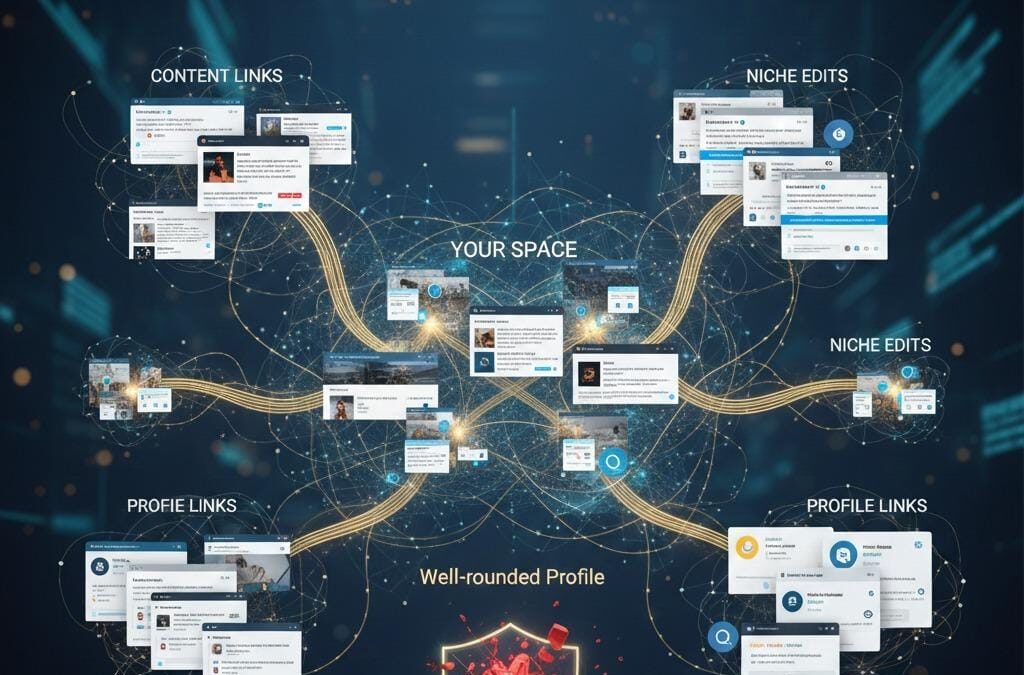
If you run a website, blog, or online business, you have probably heard the word backlinks. Many people talk about them in SEO, but fewer truly understand how they work, why they matter, and how to earn them without harming their site.
Backlink are not magic links that instantly boost rankings. They act more like votes, signals, and trust indicators from one website to another. The more credible those votes are, the stronger your website appears in the eyes of search engines.
Let’s break this down in a simple, practical, and realistic way.
What Are Backlinks?
A backlink is a hyperlink from one website to another.
When another website links to your page, that link becomes a backlink for you.
Think of backlink like recommendations. If a respected website links to your content, search engines assume your page holds value.
For example:
- Website A links to Website B
- Website B gains one backlink from Website A
This connection tells Google that Website B might contain useful or trustworthy information.
Why Are Backlink Important in SEO?
Search engines rank websites based on relevance, quality, and credibility. Backlink play a huge role in credibility.
Here’s what backlink help with:
1. Better Search Rankings
Websites with strong backlink often rank higher on Google.
2. Increased Website Authority
Quality links build domain authority over time.
3. Referral Traffic
People click backlink and visit your site directly.
4. Faster Indexing
Search engines find and crawl pages faster when backlinks exist.
5. Trust Signals
Links from respected sources make your site appear more reliable.
Not All Backlinks Are Equal
Some backlink help your site. Others can damage it.
High-Quality Backlink
- From trusted websites
- Related to your niche
- Natural and editorial
- Earned through real content
Low-Quality Backlink
- Spammy websites
- Paid or fake links
- Irrelevant content
- Auto-generated links
A single strong backlink can outperform hundreds of weak ones.
Types of Backlinks
1. DoFollow Backlink
These pass SEO value and ranking power.
2. NoFollow Backlink
They don’t pass ranking power but can bring traffic.
3. Guest Post Links
Links gained from writing on other websites.
4. Editorial Links
Earned naturally when sites reference your content.
5. Profile and Directory Links
Created on platforms or business listings.
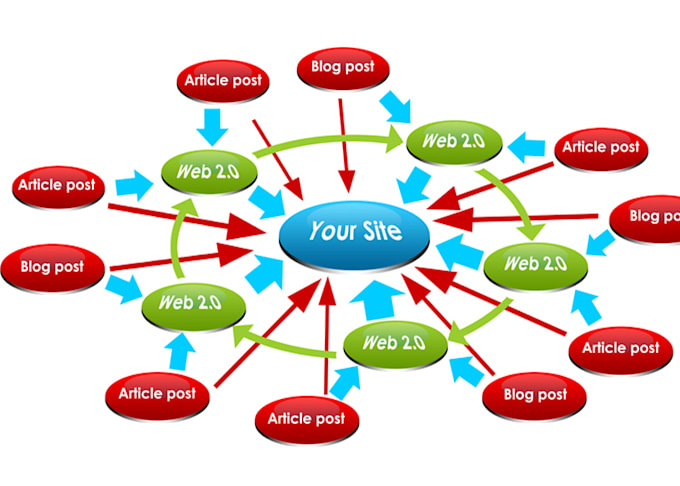
How Backlinks Actually Affect Google Rankings
Google uses backlink as a trust scoring system.
If your website receives links from:
- News sites
- Industry blogs
- Authority domains
Google sees your content as more credible.
However, too many unnatural links may trigger penalties.
SEO success depends on quality, relevance, and natural growth.
How to Check Backlinks
You can monitor backlink using tools such as:
- Google Search Console
- Ahrefs
- SEMrush
- Moz
- Ubersuggest
These tools show:
- Who links to your site
- Link quality
- Anchor text
- Toxic links
- Domain strength
Tracking backlink helps protect your SEO health.
How to Get Backlink the Right Way
1. Create Helpful Content
Useful guides, tutorials, and research attract natural links.
2. Guest Posting
Write articles for related websites and include your link.
3. Outreach
Reach out to bloggers or site owners to share your content.
4. Broken Link Building
Replace dead links on other sites with your own content.
5. Business Listings
Submit your website to legitimate directories.
6. Social Media Sharing
Content shared often earns organic backlink.
7. Niche Communities
Forums, Reddit, and Q&A sites can bring exposure.
What Makes a Backlink Powerful?
A backlink holds more value if:
- The website has high authority
- The content matches your topic
- The link appears naturally
- The anchor text looks natural
- The site receives real traffic
Context matters more than quantity.
Common Backlink Mistakes to Avoid
Many beginners harm their SEO by rushing link building.
Avoid:
- Buying spam links
- Using automated backlink tools
- Posting links on irrelevant sites
- Over-optimizing anchor text
- Creating links too fast
Search engines notice unnatural behavior.
How to Remove or Disavow Bad Backlink
Sometimes harmful backlinks appear without your permission.
Steps to fix it:
- Identify toxic backlink using SEO tools
- Contact site owners to remove them
- Use Google Disavow Tool to block harmful links
- Monitor backlink regularly
Cleaning link profiles protects your rankings.
Backlinks vs Internal Links
Backlink = links from other websites
Internal links = links within your own website
Both help SEO, but backlink carry more authority weight.
How Long Do Backlinks Take to Work?
Backlink do not boost rankings overnight.
Timeline depends on:
- Site authority
- Link quality
- Competition level
- Content strength
Usually, results appear within weeks to months.
SEO rewards patience.
Are Backlinks Still Important in 2025?
Yes. Backlink remain one of Google’s strongest ranking factors.
While AI, content quality, and UX matter more now, backlink still influence:
- Trust
- Authority
- Search visibility
- Competitive advantage
They remain a core SEO pillar.
Final Thoughts on Backlink
Backlink are not shortcuts to SEO success. They require effort, strategy, patience, and honest content creation.
If you focus on real value, useful content, and ethical outreach, backlink will come naturally.
Instead of chasing hundreds of links, aim for meaningful ones that make sense for your audience.
That mindset builds lasting SEO results.
FAQs About Backlinks
1. What are backlinks in SEO?
Backlinks are external links pointing to your website that help improve authority and rankings.
2. Are backlinks still important for Google ranking?
Yes. Google still considers backlink a major trust and ranking signal.
3. How many backlinks do I need to rank?
There is no fixed number. Quality matters more than quantity.
4. Can bad backlinks harm my website?
Yes. Spam or toxic links can reduce rankings or cause penalties.
5. What is the best way to get backlinks?
Creating valuable content and earning natural links is the safest method.